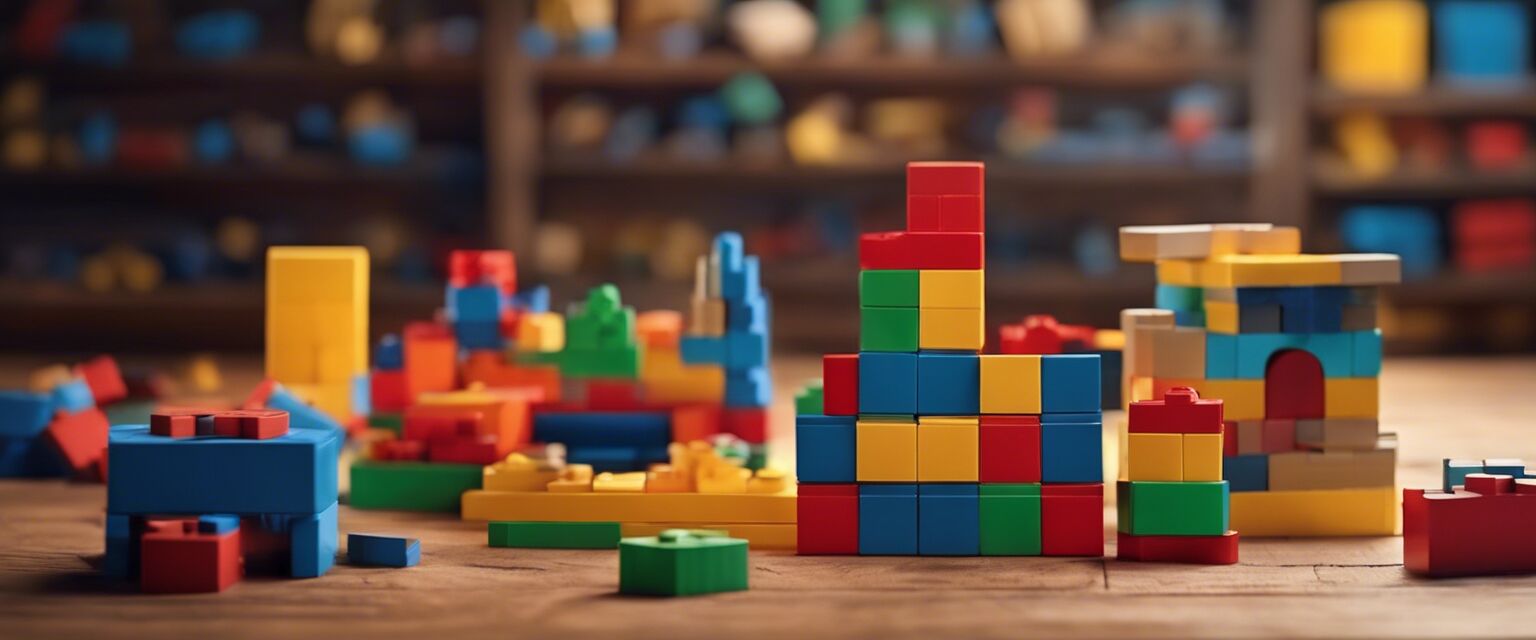
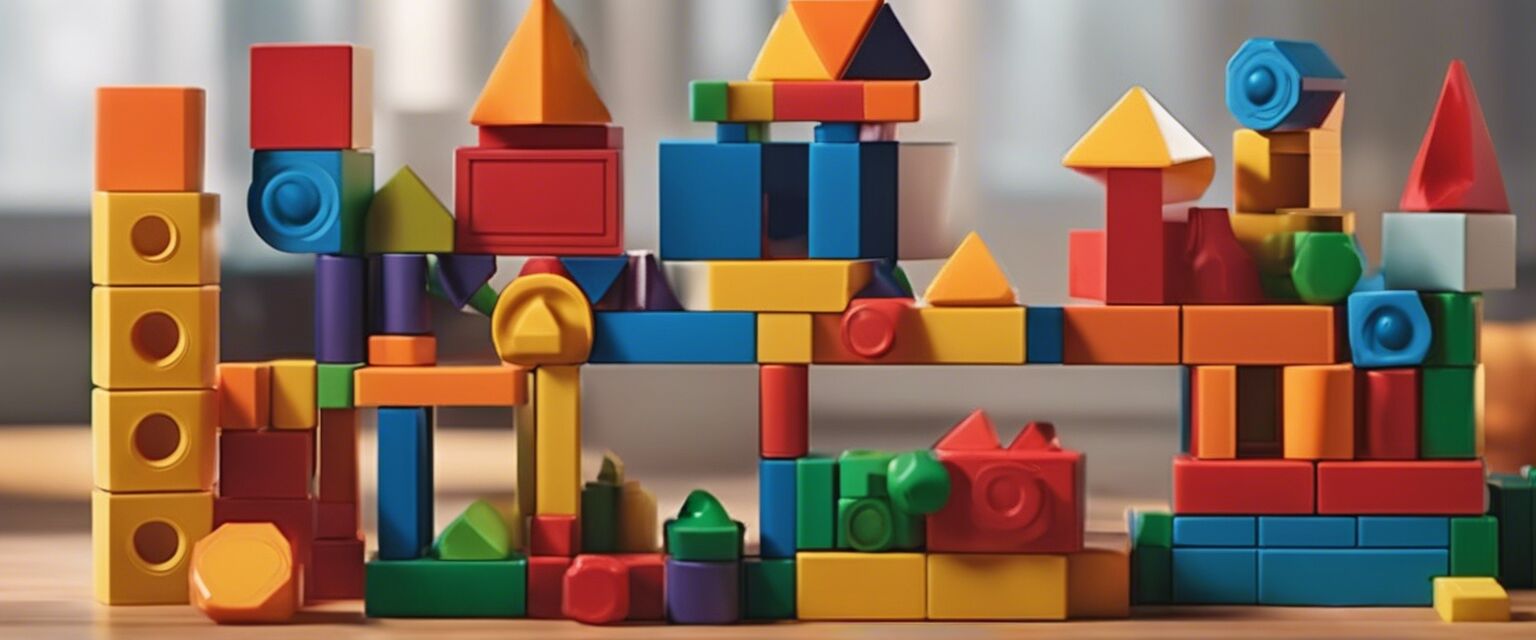
Building block play for different age groups
Key Takeaways
- Choosing the right building block set enhances developmental benefits for children.
- Different age groups require different types of building block kits.
- Encouragement of creativity and cognitive skills is vital at every stage of play.
- Safety and material quality are crucial factors in selecting building blocks.
Building block play is not just a fun activity; it also serves as an essential tool for development. Selecting the right building block sets for different age groups can significantly enhance the play experience, promoting creativity, problem-solving, and fine motor skills. In this article, we will explore the best building block sets for various age groups, providing guidelines and recommendations to help you make informed choices.
Why building blocks?
Building blocks have been a staple in children's play for generations. They serve as a fantastic medium for children to express their creativity while developing critical skills. Building block play encourages:
- Fine motor skills
- Spatial awareness
- Problem-solving abilities
- Imagination and creativity
- Social skills when played in groups
Age groups and appropriate building block sets
It's essential to choose building blocks that are suitable for your child's age. Below is a breakdown of recommended building block sets for various age groups:
| Age Group | Recommended Building Block Sets | Key Benefits |
|---|---|---|
| 1-3 years | Soft and oversized blocks, Duplo sets | Enhances sensory development, motor skills, and safe play. |
| 3-5 years | Magnetic blocks, Themed block sets | Encourages creativity, storytelling, and fine motor skills. |
| 5-8 years | Mechanical kits, Advanced LEGO sets | Promotes problem-solving, engineering skills, and teamwork. |
| 8 years and up | Architectural model kits, STEM-focused sets | Encourages critical thinking, advanced construction skills, and creativity. |
Benefits of age-appropriate building blocks
Using age-appropriate building block kits ensures that children are engaged and challenged at the right level. Here are some benefits:
- Safety: Younger children require larger, softer pieces to avoid choking hazards.
- Skill Development: Different sets promote various skills, such as coordination and critical thinking.
- Engagement: Age-appropriate themes resonate more with children, keeping them interested and motivated to play.
Tips for selecting building blocks
Tips for beginners
- Always check age recommendations on the packaging.
- Opt for non-toxic materials, especially for younger children.
- Consider the interests of the child; themed sets can be more engaging.
- Start with simple kits and gradually introduce more complex sets as skills develop.
- Mix and match different types of building sets for varied play experiences.
Conclusion
Building blocks are an excellent investment in your child's development. By selecting age-appropriate building block sets, you can create a fulfilling and educational play environment. Remember to consider the child's interests and developmental stage to maximize the benefits of play.
Pros
- Encourages creativity and imagination.
- Helps in developing fine motor skills.
- Fosters problem-solving abilities.
- Promotes social interaction in group settings.
Cons
- Some sets can be expensive.
- Small pieces pose a choking hazard for younger children.
- Requires supervision during play to prevent accidents.
Explore more building block categories
For a more extensive selection of building block sets, check out our product categories:
- Architectural Model Kits
- Classic Building Sets
- Educational Building Kits
- Fantasy Block Worlds
- Mechanical Building Sets
- Thematic Block Sets
Additional Resources
For more insights on building block play and developmental benefits, visit our blog and explore expert articles on the subject.
Happy building!